
Venice Design Series 2026: Event Highlights
A closer look at our upcoming Venice Design Series visits
We’re looking forward to the upcoming Venice Design Series tours on April 25th and May 2nd. The April 25th program will take us inside artist studios and creative spaces across Los Angeles, followed by a visit to Bloom Ranch on May 2nd.
From a conceptual artist’s purpose-built studio to an innovative printmaking workshop, a vibrant culinary gathering space, and a working farm rooted in wellness, each destination offers a chance to experience how thoughtfully designed environments shape creativity and community. We wanted to share more about what makes these places so special.
Charles Gaines Studio – April 25th
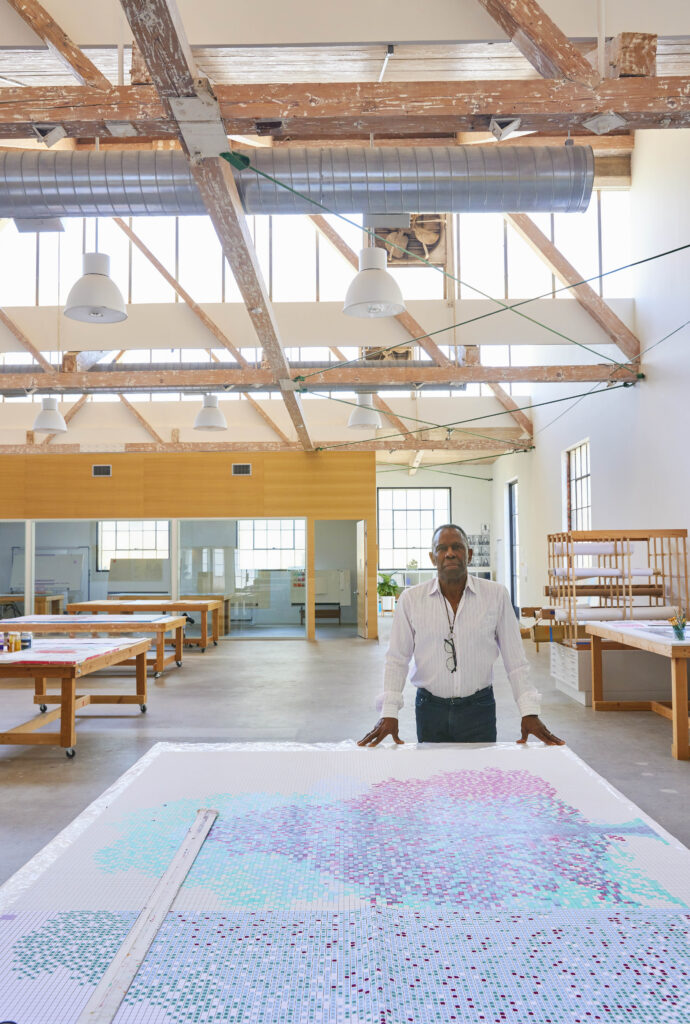
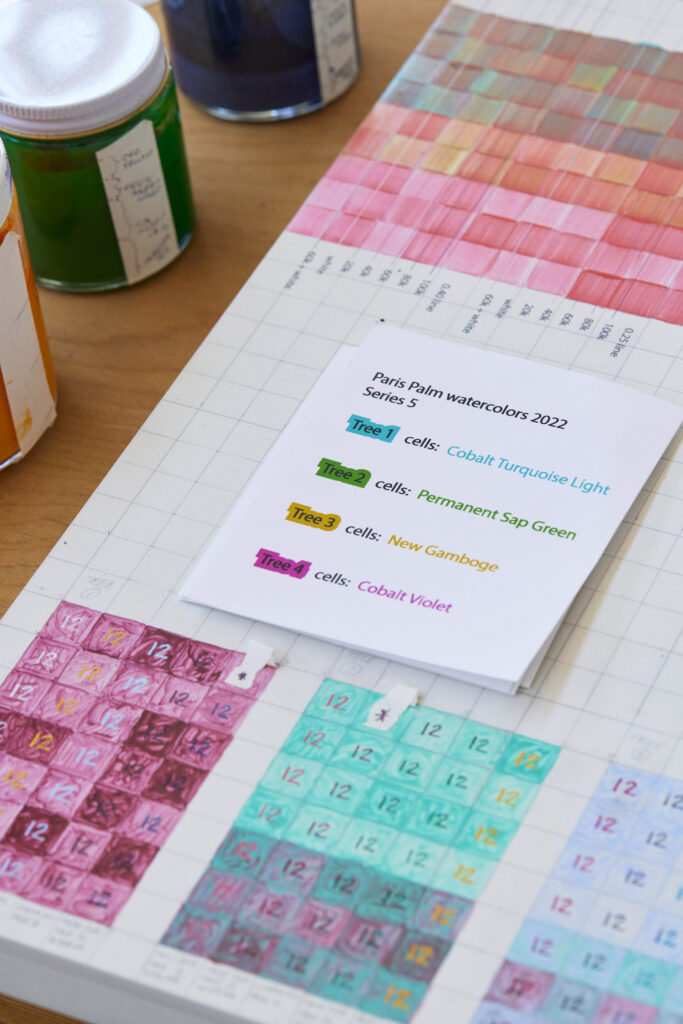
Los Angeles–based conceptual artist Charles Gaines has spent decades exploring how systems shape the way we understand the world. Working across drawing, photography, music, and large-scale installation, his practice often begins with structured rules that determine the final form of a work. As Gaines explained to Art21, “I wanted to make a type of work whose production is a consequence of a system, rather than my imagination.”
This approach emerged in the 1970s with his early grid-based drawings, in which numerical data and color systems are used to construct images. By translating natural forms such as trees into coded sequences, Gaines highlights how perception itself is shaped by frameworks and classifications. His work “investigates the ways in which society produces distinctions and categories,” encouraging viewers to consider how meaning is constructed rather than fixed.
Gaines’ studio practice reflects the same rigor and intentionality. In a purpose-built 11,000-square-foot workspace in Huntington Park, designed by TOLO Architecture, he created areas for drawing, archives, and exhibition so that works can be seen together as they evolve. The space allows him to “hang my work in a clear space and sit and live with the pieces,” a process he described to Architectural Digest as essential because his system-based works only fully resolve when their components come together.
Throughout his career, Gaines has also used rule-based methods to translate texts into musical scores, layer photographic imagery into structured compositions, and build installations that examine social and historical systems. These projects often connect conceptual rigor with broader questions about knowledge, representation, and power. By foregrounding process, Gaines invites viewers to consider not only what they see, but how they see it.
As part of the Venice Design Series, our visit will explore Gaines’ studio as both a working environment and a conceptual framework. The space offers insight into how structure, repetition, and experimentation can shape artistic practice, demonstrating how design principles operate not only in finished works but throughout the creative process itself.
Mixografia – April 25th
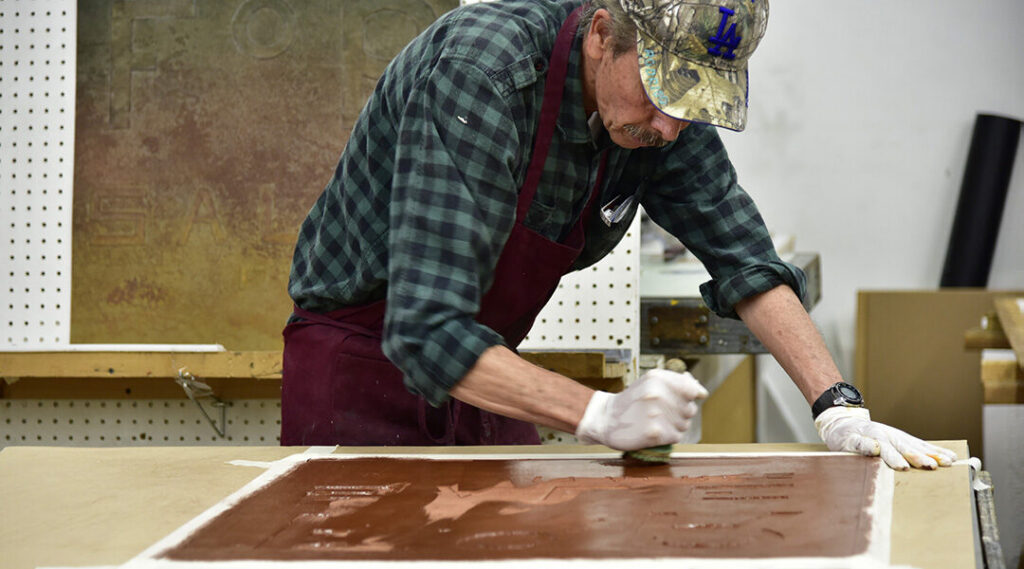
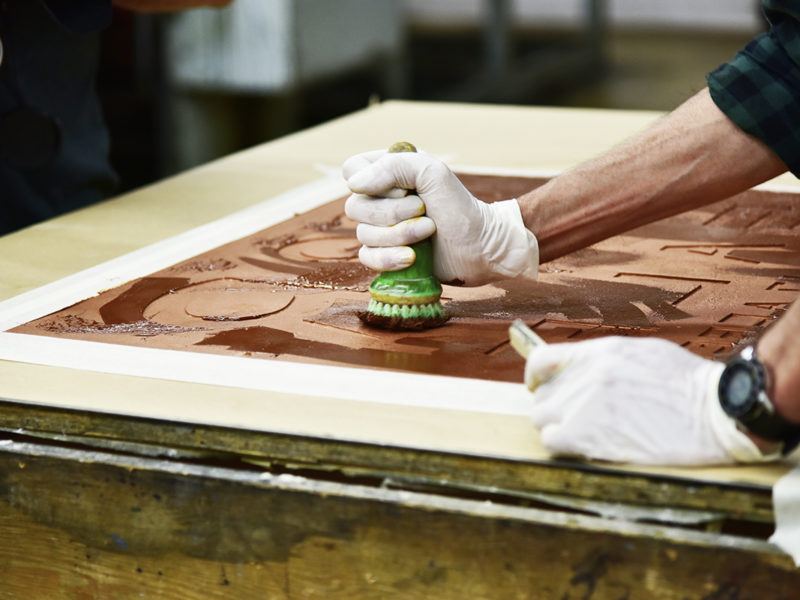
Founded in Los Angeles in 1969, Mixografia is both a printmaking studio and a publisher known for pushing the technical and conceptual boundaries of the medium. Established by Luis and Lea Remba, the workshop has spent decades collaborating with artists to develop new processes that expand what prints can be — often blurring the line between two-dimensional works and sculptural objects. The studio describes its approach as “a unique printing technique that allows for the creation of three-dimensional prints with texture and relief,” a method developed through years of experimentation with handmade paper and specialized presses.
Rather than functioning solely as a production space, Mixografia operates as a collaborative laboratory. Artists are invited to work closely with master printers to translate ideas that might otherwise be difficult to realize. This emphasis on experimentation has drawn a wide range of contemporary artists, each contributing to the evolution of the studio’s distinctive process. According to Mixografia, the goal is not simply reproduction but “to extend the artist’s language through printmaking,” encouraging works that challenge expectations of the medium.
Over time, this collaborative model has shaped Mixografia’s identity as both a technical innovator and a creative partner. The studio’s prints often feature deeply embossed surfaces, layered fibers, and sculptural dimensionality, creating objects that invite viewers to engage physically as well as visually. These tactile qualities reflect the workshop’s belief that printmaking can be as materially expressive as painting or sculpture.
The studio’s Los Angeles location has played an important role. Working within the city’s diverse artistic ecosystem, Mixografia has maintained an international reputation while remaining rooted in a hands-on, workshop-based practice. Its archive and ongoing collaborations demonstrate how craft, technology, and artistic vision intersect in meaningful ways.
As part of the Venice Design Series, our visit to Mixografia will explore how experimentation and collaboration drive innovation. The studio offers a behind-the-scenes look at how ideas move from concept to physical form, and how the technical process itself can become a creative partner in shaping contemporary art.
Maydan Market – April 25th
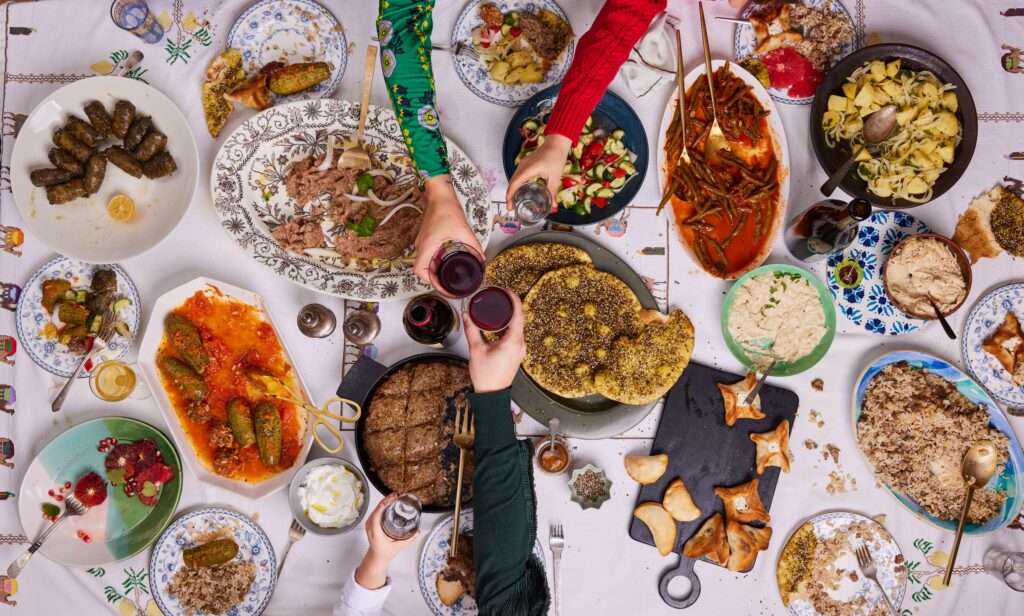
In West Adams, Maydan Market brings together food, design, and cultural exchange under one roof. Conceived by restaurateur Rose Previte, the project draws inspiration from global night markets and communal gathering spaces, translating those ideas into a Los Angeles context. The 10,000-square-foot space houses multiple kitchens centered around a shared live-fire hearth, creating what one publication described as “part food hall, part community hub.”
Previte has emphasized that the building itself shaped the concept. “I like to listen to the building,” she said, describing how she retrofitted the idea to fit the West Adams warehouse rather than forcing a predetermined plan. The result is a layout that encourages movement, discovery, and interaction among vendors and guests.
The market’s structure also reflects its community focus. Multiple small businesses operate side by side, sharing resources and a central cooking space. Previte’s broader hope, she explained, is “that we’re able to help small businesses succeed better in cities that have become increasingly expensive to do business.”
Culinary influences span regions and traditions, from Middle Eastern hearth cooking to Thai barbecue and Oaxacan specialties, reinforcing the idea of the market as a crossroads of cultures. The concept was inspired by the energy of international markets, with Previte aiming to “bring that feeling of excitement” found in those environments into a single shared space.
As part of the Venice Design Series, our visit to Maydan Market will explore how architecture, hospitality, and cultural storytelling come together. The space demonstrates how thoughtful design can foster collaboration and community, turning a dining destination into a place for gathering, exchange, and shared experience.
Bloom Ranch – May 2nd
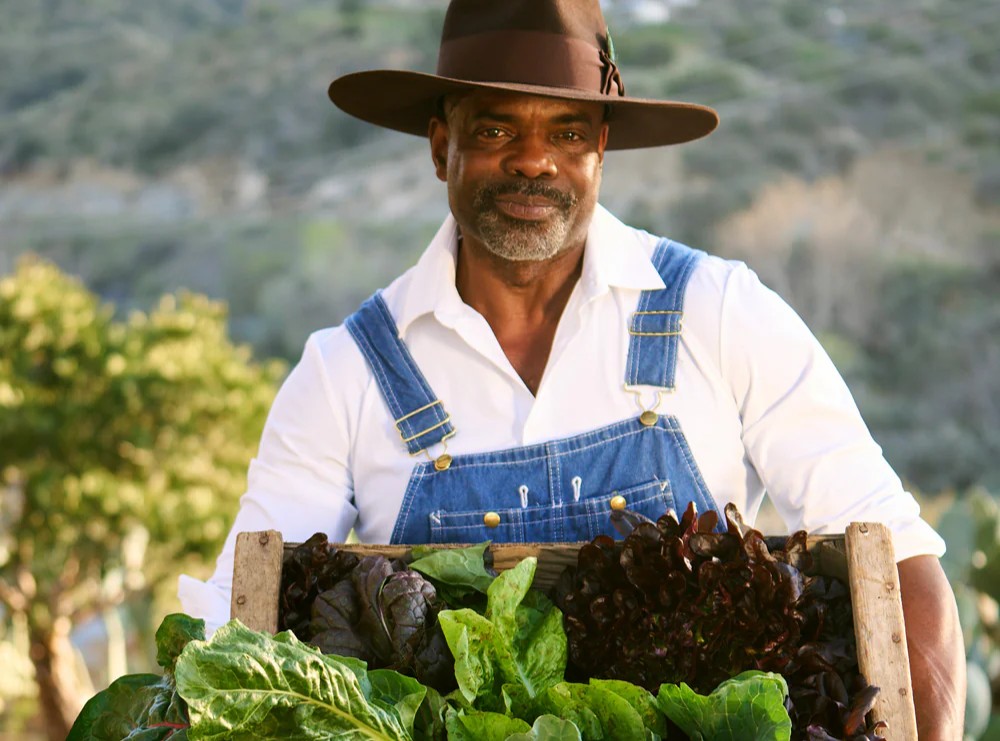
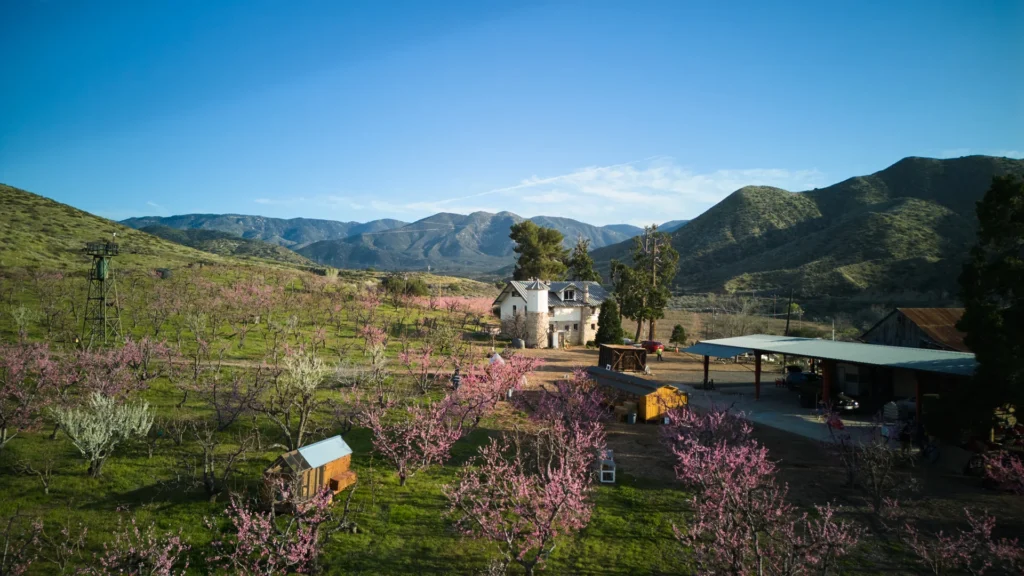
Set on more than 250 acres in Acton, Bloom Ranch is both a working farm and a growing cultural gathering space rooted in wellness, agriculture, and community. Led by Dr. Bill Releford, a physician and health equity advocate, the property is now recognized as the largest Black-owned farm in Los Angeles County. His vision connects land stewardship with health, while also situating the ranch within a broader history of Black agricultural innovation and resilience.
That legacy shapes how Bloom Ranch operates today. In an era when Black farmers represent only a small fraction of agricultural operators nationwide, the ranch functions as both a productive farm and a space designed to reconnect communities with land, food, and one another. Through guided tours, seasonal events, and weekly jazz brunches, visitors are invited to reflect on their own relationships to agriculture and sustainability.
Releford draws inspiration from generations of Black agricultural innovators, noting that their work “was always about more than crops… It was about empowerment and survival. Bloom Ranch embodies that legacy.” (Los Angeles Times).
The ranch also serves as a living example of food as a pathway to wellness. Produce is grown using time-tested methods, and programming rooted in a “Food Is Medicine” approach connects fresh harvests to specific health outcomes. Farming on the land dates back to the late nineteenth century, and today’s stewardship builds on that history while introducing new opportunities for education and community engagement.
Visitors encounter orchards, seasonal crops, and open landscapes designed not just for cultivation, but for gathering and reflection. Events and partnerships extend the ranch’s impact beyond agriculture, reinforcing the idea that land can serve as both a creative space and a catalyst for connection.
As part of the Venice Design Series, our visit to Bloom Ranch will explore how the site functions as an intentionally shaped environment: one where agriculture, culture, and wellness intersect. The ranch offers a compelling example of how creativity can take root in the landscape itself, cultivating both nourishment and community.